
Too Late, Alphas
Too Late, Alphas
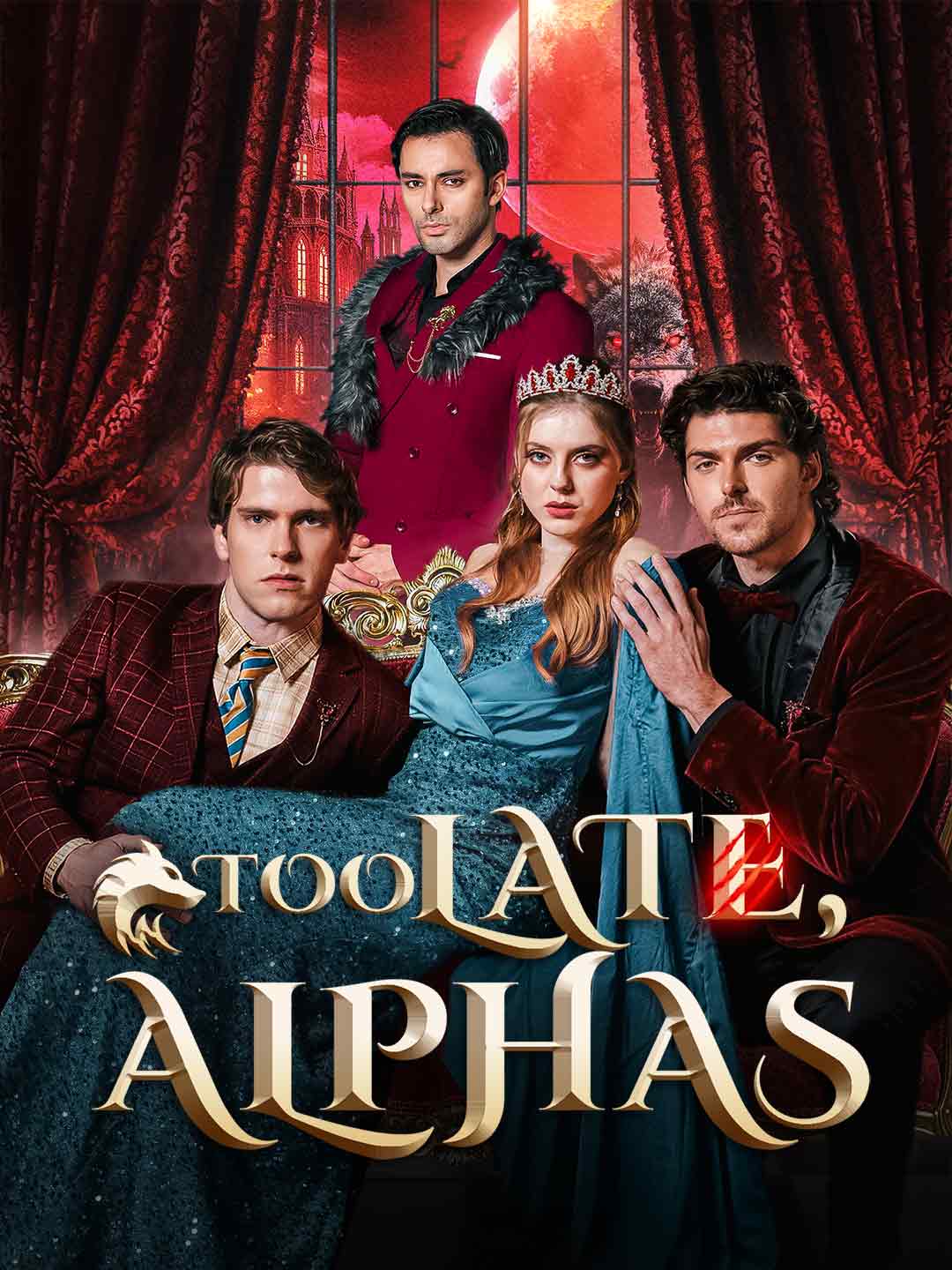
Hey, everyone! How's it going? Today I'm here to review the drama Too Late, Alphas (available on ReelShort), which arrived with a compelling supernatural romance premise that immediately captures the imagination. This series blends paranormal elements with high-stakes emotional drama, creating a unique viewing experience that distinguishes itself within the crowded romance landscape. The narrative centers on betrayal, redemption, and the intoxicating power of second chances, wrapped in a werewolf mythology framework that adds layers of complexity to traditional romantic tropes. What makes Too Late, Alphas particularly special is its willingness to subvert expectations—instead of wallowing in victimhood, the protagonist transforms her pain into purposeful action. The series appeals to audiences who crave stories with bite, where protagonists possess agency and where love becomes both salvation and weapon. From the opening moments, the show establishes an atmospheric world where supernatural elements feel grounded in emotional reality, drawing viewers into Aria's devastating journey with magnetic intensity.
Too Late, Alphas is presented as a short-form series optimized for ReelShort's innovative streaming format, allowing for rapid-fire emotional beats and cliffhanger-driven storytelling that keeps audiences perpetually engaged. The production demonstrates remarkable technical polish, with cinematography that captures both intimate character moments and grand pack dynamics with equal finesse. Available on ReelShort, the series leverages the platform's strengths by utilizing vertical-format storytelling and episodic pacing that creates natural breaking points for viewer engagement. The drama employs a contemporary visual style that grounds its supernatural elements in modern reality, with settings ranging from opulent mansions to mystical pack territories. Director choices emphasize intimate close-ups during emotional revelations while expanding to wider shots during action sequences and pack gatherings, creating visual rhythm that matches the narrative's emotional intensity. The production quality rivals longer-form dramas, proving that short-form content need not compromise on visual storytelling or production values.
The series masterfully explores themes of identity, betrayal, and the transformative power of chosen family versus biological bonds. What truly sets Too Late, Alphas apart is its nuanced examination of how trauma reshapes identity—Aria doesn't simply overcome her abandonment; she weaponizes it, choosing a path that grants her power while simultaneously risking new heartbreak. The show succeeds in portraying romantic love not as salvation but as one element within a larger self-actualization journey. Additionally, the drama examines the nature of mate bonds themselves, questioning whether supernatural connections override personal agency and choice. The theme of playing the long game—of patience, strategy, and calculated moves—permeates the narrative, transforming what could be a simple revenge story into a sophisticated exploration of power dynamics and emotional intelligence.
From Heiress to Luna: The Price of Betrayal
The story opens with Aria in her moment of triumph—her birthday celebration as the beloved heiress, surrounded by luxury and anticipation. The narrative establishes her world with vivid detail: the grand mansion, the adoring crowds, the promise of a double-alpha union that would cement her position in werewolf society's highest echelons. This opening sequence bathes viewers in Aria's privileged reality, making the subsequent devastation hit with exponential force. The inciting incident strikes like a supernatural thunderbolt when her two Alpha fiancés, Adrian and Julian, abandon her on this most sacred day. What elevates this betrayal beyond simple romantic rejection is its public nature and the cruel precision with which it unfolds. The central conflict emerges not merely from romantic abandonment but from the realization that Aria has been systematically deceived—her fiancés' hearts have been bound to someone else through supernatural manipulation, orchestrated by the scheming servant Selena.
As the narrative unfolds, the full scope of the conspiracy against Aria becomes horrifyingly clear. Selena, the seemingly insignificant maid, employed a potion to forge false mate bonds, systematically erasing Aria from the Alphas' emotional landscape while inserting herself as their destined partner. The series excels at layering this revelation gradually, allowing viewers to discover the truth alongside Aria, experiencing her mounting horror and the shattering realization that even her fiancés' feelings weren't authentically hers. The cruelest blow arrives when Aria is literally drowned—a symbolic death that nearly becomes literal—with her own fiancés complicit in the act. What keeps viewers hooked is Aria's refusal to remain a victim. Rather than languishing in despair, she makes a bold declaration: she will marry Damien, the powerful Alpha of the Blood Moon Pack, transforming her circumstances from tragedy into calculated strategy.
Aria: The Heiress Who Became Ice
The protagonist of Too Late, Alphas is Aria, a character whose journey from beloved heiress to hardened Luna represents one of contemporary drama's most compelling transformations. From her first appearance, Aria embodies privilege and warmth—she's characterized as genuinely kind, beloved by those around her, and seemingly destined for happiness. Her initial personality radiates optimism and trust, qualities that make her betrayal sting with particular intensity. As the narrative progresses, viewers witness Aria's deliberate transformation from trusting romantic to calculating strategist. This shift isn't portrayed as loss of self but rather as evolution—Aria doesn't become cold and heartless; instead, she becomes discerning about where her warmth is directed. The performance captures this nuanced journey through subtle shifts in body language, vocal tone, and the gradual hardening of her gaze as she learns to read people and situations with surgical precision.
What elevates Aria beyond typical betrayed-heroine tropes is her active agency in her own recovery. She doesn't wait for rescue or redemption from her former fiancés; instead, she orchestrates her own ascension. Her relationship with Damien develops with fascinating complexity—this isn't a passionate whirlwind romance but rather a calculated partnership that evolves into something deeper and more genuine. The character represents the thematic core of the series: that sometimes the most powerful response to betrayal isn't forgiveness but transformation. Aria's journey illustrates that survival itself becomes rebellion, that choosing oneself isn't selfish but necessary, and that the strongest bonds aren't those forged in passion but those built through mutual respect and genuine understanding.
Damien: The Guardian Alpha
Damien enters the narrative as a mysterious savior figure, the powerful Alpha of the Blood Moon Pack whose offer of marriage provides Aria with both practical protection and symbolic elevation. What makes Damien fascinating is his initial ambiguity—viewers cannot immediately determine whether he's genuinely drawn to Aria or simply making a strategic alliance. As the series progresses, his character reveals unexpected depths: he's not a typical alpha male hero but rather a perceptive, patient man who understands Aria's pain without requiring explanation. His protective nature emerges not as possessiveness but as genuine care, creating space for Aria's agency even as he offers strength. Damien's strength lies not in dominance but in wisdom—he recognizes that Aria needs a partner who won't try to fix her but will walk beside her through her transformation.
The chemistry between Aria and Damien develops with deliberate slowness, creating a satisfying counterpoint to the frenetic energy of the central betrayal plot. Their relationship becomes the emotional anchor of the series, demonstrating that love can emerge from unexpected circumstances and that the deepest connections often form between people who understand loss and survival. Damien's role evolves from convenient savior to genuine soulmate, but the series carefully avoids suggesting that romantic love is Aria's ultimate destination or redemption. Instead, their partnership represents mutual growth and chosen family—a bond more powerful than supernatural mate connections because it's rooted in authentic choice rather than magical compulsion.
Secrets, Revelations, and the Unraveling Truth
One of the series' greatest strengths lies in its sophisticated handling of revelation and secret-keeping, creating narrative momentum through carefully timed information release. The conspiracy against Aria wasn't spontaneous malice but rather carefully orchestrated deception, and as the truth emerges, viewers discover layers of betrayal extending far beyond Selena's scheming. The writing demonstrates masterful understanding that the most devastating revelations aren't those involving new facts but rather recontextualization of previously accepted truths. Scenes where characters confront the reality of their actions carry visceral emotional weight, particularly when Adrian and Julian comprehend the magnitude of their mistakes.
These moments resonate because they're grounded in genuine consequence rather than melodramatic posturing. The series uses pacing and cinematography to enhance emotional impact—quiet scenes of realization often prove more devastating than dramatic confrontations. Viewers find themselves experiencing the complex emotions of watching antagonists recognize their villainy, which transforms the narrative from simple good-versus-evil into a morally complex exploration of how good people can be manipulated into causing harm. This approach elevates the series beyond typical paranormal romance into genuine emotional territory where forgiveness becomes complicated and redemption remains uncertain.
Success on ReelShort
Too Late, Alphas has found its perfect home on ReelShort, where the short-form episodic structure perfectly complements its cliffhanger-driven narrative and emotionally intense storytelling. The series demonstrates exceptional understanding of vertical-format viewing and mobile-first storytelling, utilizing quick cuts, intimate framing, and emotional peaks that reward binge-watching while remaining satisfying in individual episodes. The show particularly appeals to audiences who appreciate paranormal romance infused with emotional complexity, viewers seeking stories where protagonists possess agency and intelligence, and fans of supernatural mythology grounded in contemporary settings.
Its success on the platform demonstrates the viability of high-quality short-form drama that doesn't sacrifice narrative sophistication for brevity. The series proves that episodic storytelling can sustain complex character arcs, intricate plotting, and genuine emotional resonance. If you love Romance and Secret with supernatural elements, powerful female protagonists, complex family dynamics, paranormal mythology, and stories about transformation through adversity, Too Late, Alphas is absolutely essential viewing.
A Masterclass in Transformation and Chosen Destiny
Too Late, Alphas represents a significant achievement in contemporary paranormal romance, demonstrating that the genre can explore meaningful themes while delivering entertainment and emotional satisfaction. It's a series that challenges audiences to examine their assumptions about love, loyalty, and what constitutes a happy ending. The combination of sophisticated storytelling, compelling character development, and technical polish creates an unforgettable viewing experience that will resonate long after the final episode concludes. For viewers seeking narratives where protagonists transform pain into power and where love becomes one element within a larger journey of self-discovery, this drama delivers on every level. Don't miss this transformative tale of betrayal, strategy, and the unexpected bonds that become our true salvation.