
The Princess Who Walked Away
The Princess Who Walked Away
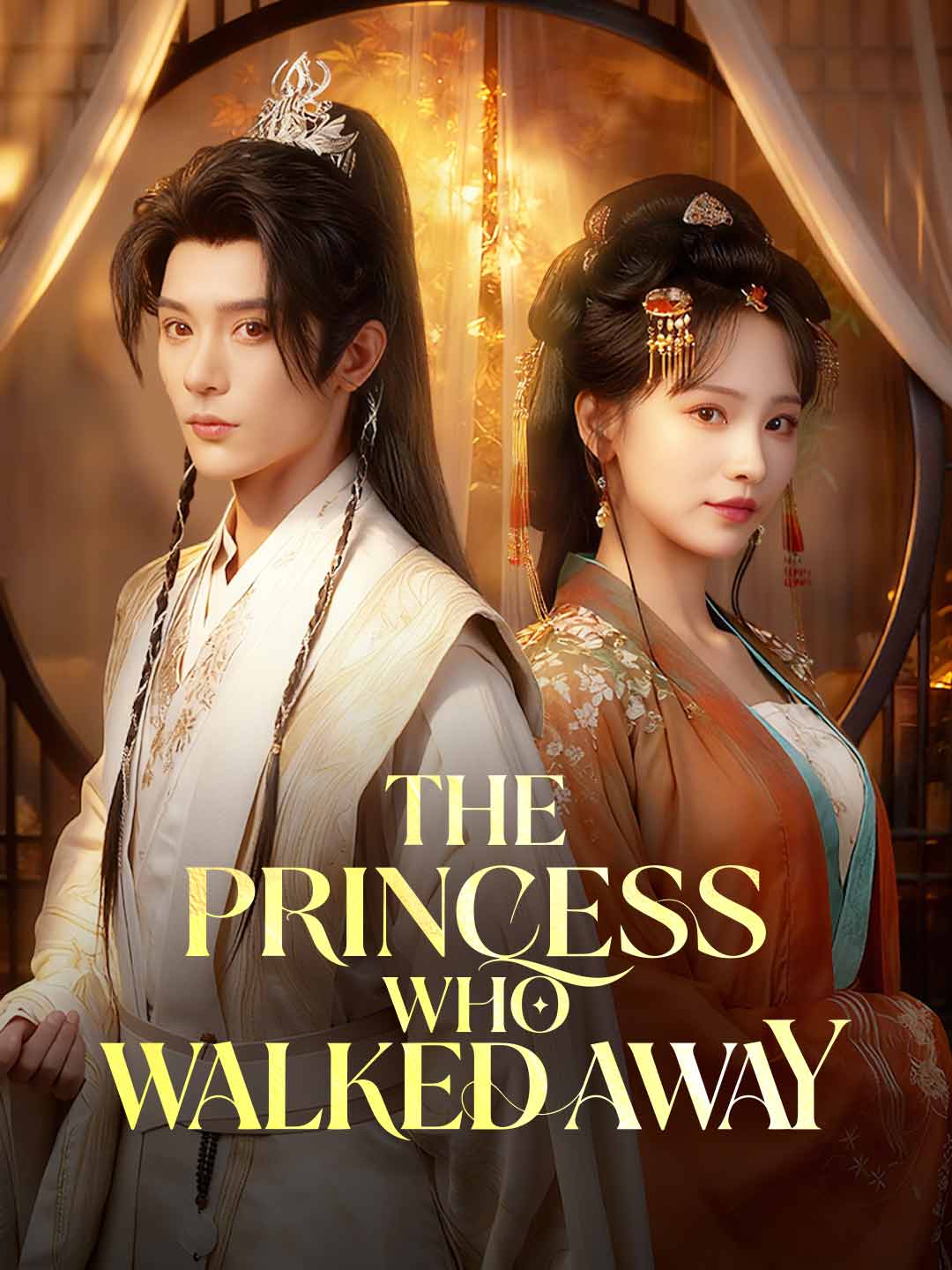
Hey, everyone! How's it going? Today I'm here to review the drama The Princess Who Walked Away (available on ReelShort), which arrived with a compelling blend of romance, palace intrigue, and emotional depth that immediately captures viewer attention. This series masterfully combines the allure of royal politics with deeply personal storytelling, creating a narrative that speaks to both escapist fantasy and authentic human emotion. What makes this drama particularly special is its exploration of agency and self-determination within the constraints of duty and tradition. The premise—a princess choosing to walk away from her expected life—immediately hooks audiences with its promise of transformation, rebellion, and rediscovered love. It's the kind of story that appeals to viewers who crave sophisticated character development alongside sweeping romantic tension, making it a standout entry in the short-form drama landscape where emotional impact often gets sacrificed for brevity.
The Princess Who Walked Away emerges as a short-form series that demonstrates the remarkable potential of condensed storytelling when executed with precision and heart. The series employs rapid pacing that never feels rushed, instead using its episodic structure to build momentum and emotional investment with each installment. Available on ReelShort, the production showcases impressive visual quality that belies its brief episode format, with cinematography that captures both the grandeur of palace settings and the intimate moments of personal reckoning. The creative team behind this drama understands that short-form content demands exceptional clarity in character motivation and narrative focus, delivering a story where every scene serves multiple purposes—advancing plot, deepening characterization, and enriching thematic exploration. The performances are notably nuanced, with actors conveying complex emotional states through subtle expressions and carefully modulated dialogue, proving that short-form drama can achieve the same depth as traditional television.
The series masterfully explores themes of identity, sacrifice, and the courage required to defy expectation. At its heart lies the profound question of what we owe to duty versus what we owe to ourselves—a tension that reverberates through every relationship and decision. The drama also delves deeply into the nature of love, examining whether childhood connection can withstand separation, transformation, and the harsh realities of political necessity. What truly sets The Princess Who Walked Away apart is its refusal to present easy answers or simple morality. The show succeeds in portraying characters who are simultaneously sympathetic and flawed, making choices that are understandable yet consequential. Rather than positioning its female protagonist as either a dutiful sacrifice or a selfish rebel, the series presents her as a complex human navigating impossible circumstances with courage and wisdom. This nuanced thematic approach elevates the drama beyond typical romantic fare into something that genuinely explores the human condition.
A Heart Divided Between Crown and Love
The story opens with Qianrin facing existential threat—borders under siege, the nation vulnerable, and the monarchy desperately seeking diplomatic solutions to forestall invasion. Into this pressure-cooker environment enters Gretta Ely, the woman who has loved Crown Prince Hades Maverick since childhood, their bond forged in the innocent days before politics and duty transformed everything. The inciting incident arrives with crushing force when Gretta discovers that Hades intends to marry another, a union designed for political advantage rather than personal connection. The central conflict emerges not from external warfare alone, but from the internal devastation of watching the person you've loved your entire life choose duty over the bond you shared. The setting drips with palace intrigue—ornate chambers that feel simultaneously beautiful and suffocating, gardens where stolen moments between the lovers once occurred now haunting in their emptiness. This opening establishes the fundamental tragedy: that sometimes love isn't enough when kingdoms hang in the balance.
As the narrative unfolds, Gretta makes a shocking decision—she will volunteer for the diplomatic marriage herself, becoming the Princess of Qianrin through a decree designed to save her nation. This act is simultaneously an escape and an sacrifice, a way to remove herself from the pain of watching Hades love another while serving her country's survival. The series excels at portraying the psychological complexity of this choice, showing how Gretta convinces herself that duty can heal heartbreak, that distance and new identity can transform grief into purpose. Hades remains unaware of her sacrifice, confident that his childhood sweetheart would never abandon him, and this dramatic irony creates exquisite tension. What keeps viewers hooked is the inexorable march toward their inevitable reunion, the knowledge that separation cannot be permanent, and the burning question of how they'll reconcile the people they've become with the love they once shared. Each episode peels back another layer of their complicated situation, revealing consequences neither anticipated and forcing both characters toward reckoning.
Gretta Ely: The Princess Who Chose Herself
The protagonist embodies a fascinating contradiction—she is simultaneously the most selfless and most selfish character in the narrative, and this duality makes her unforgettable. From her first appearance, Gretta radiates quiet strength tempered by vulnerability, a woman who has spent years perfecting the art of hiding her true emotions behind courtly grace. Her journey from heartbroken princess to determined diplomatic bride showcases remarkable character transformation, moving from passive acceptance of her fate to active authorship of her own story. The performance captures the subtle ways heartbreak manifests—in the tightness around the eyes, the careful control of her voice, the moments where her mask slips to reveal raw pain. What elevates Gretta beyond typical romantic heroines is her refusal to remain a victim of circumstance. She acknowledges her pain while channeling it into purposeful action, choosing to become something greater than the abandoned woman Hades left behind.
What makes Gretta particularly compelling is the internal contradiction she embodies—her sacrifice is simultaneously an act of love for her nation and an act of escape from unbearable pain. She tells herself she's serving Qianrin's survival, and this is true, but viewers sense the deeper motivation: she cannot bear to remain in proximity to Hades while he loves another. Her new role as Princess forces her to grow beyond the girl who defined herself through romantic connection, discovering capabilities and strength she never knew she possessed. The character represents the show's central thesis about identity and agency—that we are not prisoners of our circumstances, but architects of our transformation. Through Gretta's journey, the series explores how heartbreak can become catalyst for growth, how walking away from love can paradoxically lead to becoming worthy of it in entirely new ways.
Crown Prince Hades Maverick: Duty's Victim
Hades Maverick enters the narrative as the golden prince, seemingly having everything—power, position, the love of a woman who would follow him anywhere. Yet beneath his royal composure lies a man trapped by obligation, forced to make political marriages while the woman he truly loves remains tantalizingly close yet impossibly distant. His characterization subverts the typical prince archetype; he's not a selfish aristocrat indulging his privileges, but rather a man suffocating under the weight of responsibility. The performance captures his internal conflict beautifully—moments where his mask of princely duty slips to reveal desperation and confusion about why Gretta would vanish without explanation or goodbye.
Hades' arc becomes one of awakening and reckoning with the consequences of his choices. He believed Gretta would wait forever, that his love was sufficient to transcend the political realities that governed their world. Her sudden disappearance shatters this illusion, forcing him to confront uncomfortable truths about privilege and assumption. When their paths inevitably cross again, he encounters not the girl he left behind but a transformed woman who has built an entirely new identity. The chemistry between them crackles with complexity—recognition mixed with estrangement, desire tempered by resentment, the painful realization that time and circumstance have changed them both irrevocably. His journey mirrors Gretta's in exploring how love must evolve beyond romantic fantasy into something more mature and realistic.
Separation and Transformation: The Heart of the Drama
One of the series' greatest strengths lies in how it handles the separation between the lovers, using distance not as a mere plot device but as a crucible for character development. The drama understands that true romance isn't found in stolen kisses or passionate declarations, but in the willingness to change for someone, to become better, to sacrifice comfort for growth. The creators employ visual storytelling brilliantly, using parallel scenes that show Gretta and Hades navigating their new lives in different kingdoms, their paths diverging while their hearts remain connected. These montages of transformation—Gretta learning to command respect as a princess, Hades grappling with political responsibilities and the phantom pain of her absence—create poignant emotional resonance.
These moments resonate profoundly because they're grounded in emotional truth rather than melodrama. The series uses subtle cinematography and restrained music to enhance the bittersweet quality of their separation, avoiding the trap of making suffering beautiful or romantic. Instead, it presents separation as genuinely difficult, as a test of love's resilience and transformation's necessity. Viewers find themselves invested not in whether they'll reunite—that's inevitable—but in what versions of themselves they'll become before they do. This approach elevates the series from typical romance fare into something approaching genuine literature, exploring how love functions not as escape but as motivation for becoming our best selves.
Success on ReelShort
The Princess Who Walked Away has found its perfect home on ReelShort, where the platform's audience hungers for sophisticated storytelling that respects their intelligence while delivering emotional satisfaction. The series has garnered significant viewership numbers and enthusiastic community engagement, with viewers praising its balance of romance and character development. What distinguishes it in ReelShort's extensive catalog is its refusal to sacrifice narrative complexity for brevity, proving that short-form drama can achieve the emotional depth of traditional television.
The show particularly appeals to viewers who appreciate period drama, palace politics, and romance with genuine stakes. Its success demonstrates that audiences increasingly crave stories featuring strong female characters who actively shape their destinies rather than passively accepting fate. The episodic format creates natural stopping points that encourage binge-watching while maintaining the suspense that keeps viewers returning for one more episode.
A Love Story Reforged Through Sacrifice and Growth
The Princess Who Walked Away represents a significant achievement in short-form drama, proving that condensed storytelling can deliver emotional resonance equal to traditional television. It's a series that explores how true love isn't about possession or certainty, but about supporting another person's growth even when it means letting them go. The combination of compelling character development, sophisticated thematic exploration, and genuine romantic tension creates an unforgettable viewing experience that will stay with you long after the final episode concludes. For anyone seeking a story that respects both the heart and the mind, that explores identity and agency with nuance and compassion, this drama is absolutely essential viewing. Don't miss this remarkable testament to love's transformative power.