
The Lazy Immortal'S Nightmare
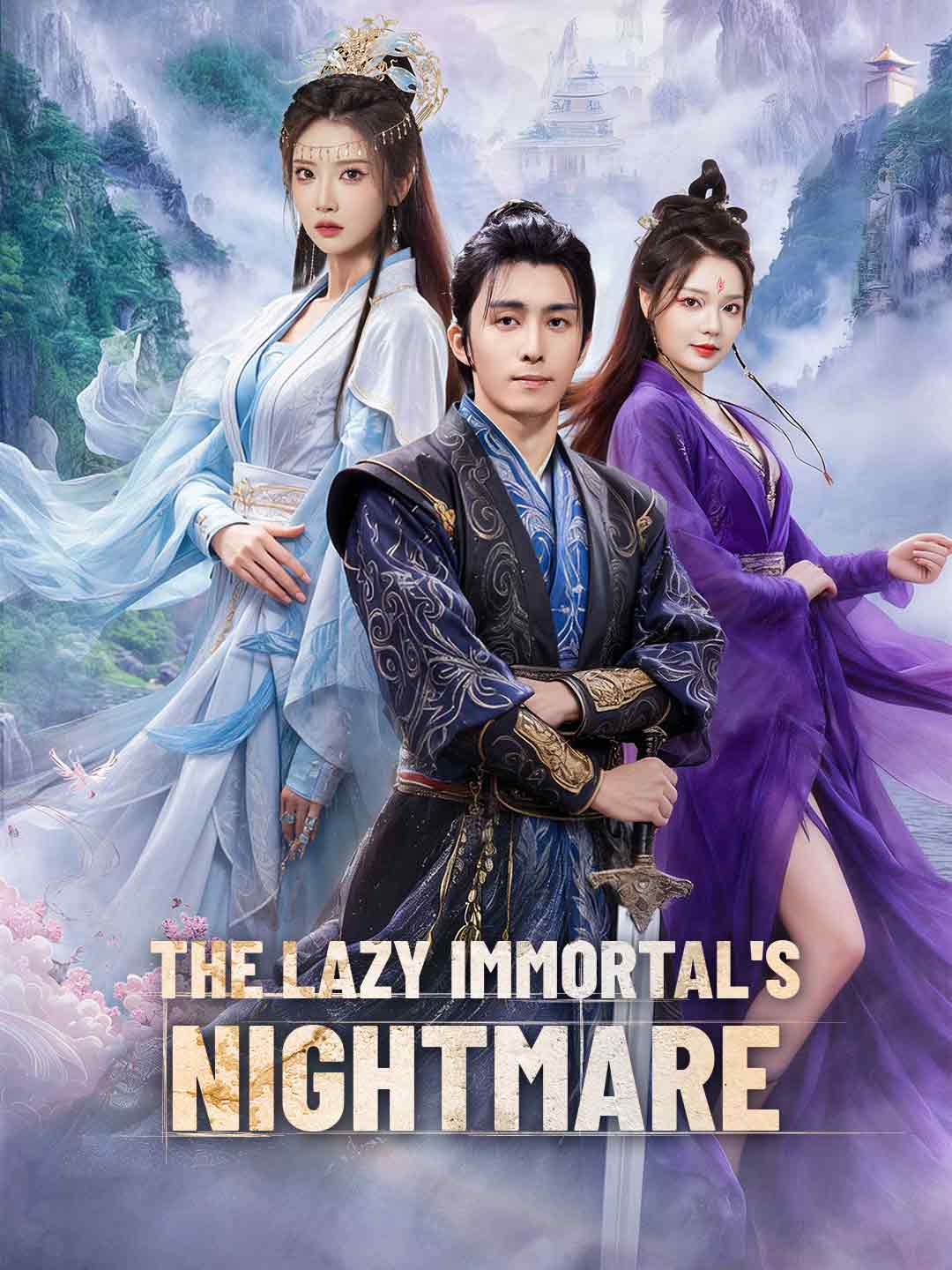
The Lazy Immortal's Nightmare
Hey, everyone! How's it going? Today I'm here to review the drama The Lazy Immortal's Nightmare (available on ReelShort), which arrived in 2026 with a refreshingly comedic twist on the increasingly crowded cultivation romance genre. What makes this series special is its brilliant subversion of expectations—instead of following the typical chosen one narrative arc, we get a protagonist whose greatest desire is simply to be left alone, only to find himself catastrophically entangled in a web of celestial politics and romantic complications. The premise cleverly blends action, romance, dark drama, and comedy into a short-form format that keeps audiences perpetually guessing what ridiculous situation awaits around every corner. The unique appeal lies in its willingness to mock the very tropes it employs, creating a self-aware narrative that speaks directly to viewers fatigued by conventional immortal cultivation tales. By centering the story on a reluctant hero whose primary qualification is his ability to accidentally offend the most dangerous beings in existence, the series establishes itself as both entertaining escapism and thoughtful commentary on destiny versus free will.
The Lazy Immortal's Nightmare presents itself as a short-form series optimized for the ReelShort platform, where rapid-fire storytelling and episodic cliffhangers are essential currency. The production quality demonstrates impressive attention to detail, with cinematography that captures both the grandiose aesthetic of cultivation realms and intimate character moments with equal finesse. The series employs dynamic visual storytelling, utilizing color grading to distinguish between different magical realms and emotional registers—warm, golden tones for moments of comfort and camaraderie, cooler blues and purples for danger and supernatural elements. The editing pace perfectly suits the short-form format, with each episode building momentum toward satisfying mini-climaxes while maintaining larger narrative threads. The production succeeds in delivering blockbuster-quality action sequences within the constraints of shorter episode lengths, proving that limited runtime needn't mean limited ambition. The performances throughout demonstrate remarkable chemistry and comedic timing, suggesting a cast fully committed to balancing dramatic weight with humorous moments.
The series masterfully explores themes of identity and belonging, as our protagonist struggles to define himself beyond the labels others impose upon him—whether as chosen one, system bearer, or Demonic Saintess's love interest. The narrative thoughtfully examines the burden of unintended consequences, where simple actions spiral into complex situations entirely beyond the perpetrator's control, questioning whether anyone truly bears full responsibility for circumstances they never invited. Destiny versus agency emerges as a central preoccupation, with the Intelligent Cultivation System serving as a physical manifestation of the tension between predetermined fate and personal choice. What truly sets The Lazy Immortal's Nightmare apart is its commitment to treating comedy and drama with equal seriousness—the show understands that humor often emerges from genuine emotional stakes, and that the most poignant moments frequently contain elements of absurdity. The series succeeds in creating a world where consequences feel real even as situations become increasingly ridiculous, maintaining emotional coherence throughout its tonal shifts.
When a Humble Life Becomes Impossible: The Inciting Incident
The story opens with a deceptively simple premise that immediately establishes the series' unique sensibility. Damon Hayes exists in a cultivation world as a night soil collector—about as far removed from the typical protagonist role as one can imagine. The narrative establishes him not as some hidden master or sleeping legend, but as a genuinely ordinary individual content with obscurity and routine. The opening episodes paint a vivid picture of his modest life, finding small joys in simple tasks and genuine peace in anonymity. This grounding proves crucial because it makes his subsequent entanglement feel genuinely tragic rather than triumphant. The inciting incident arrives when he awakens the Intelligent Cultivation System—an event that should be glorious and transformative becomes instead his personal nightmare. Rather than receiving divine guidance toward power and enlightenment, the system actively sabotages him, pushing him toward increasingly dangerous situations with infuriating inevitability.
As the narrative unfolds, the consequences escalate with darkly comedic precision. Damon finds himself stealing from a Demonic Sect Elder, offending the Demonic Saintess herself, and accumulating enemies at an alarming rate—all while desperately attempting to maintain his preferred low profile. The series excels at layering complications, where each attempted solution creates new problems, building a snowball effect of chaos. Subplots involving rival cultivators, mysterious sect politics, and the Saintess's increasingly personal interest in Damon interweave seamlessly with the primary conflict. What keeps viewers perpetually hooked is the genuine uncertainty about whether Damon can ever escape this spiral of escalating danger, combined with the growing romantic and emotional entanglement that makes retreat impossible. Each episode concludes with cliffhangers that feel organic rather than manipulative, emerging naturally from character choices and consequence rather than artificial plot devices.
Damon Hayes: The Reluctant Hero Nobody Asked For
The protagonist, Damon Hayes, represents a refreshing departure from cultivation drama conventions, portrayed with remarkable nuance and comedic precision. From his first appearance, Damon establishes himself as fundamentally decent but thoroughly overwhelmed, a man whose greatest strength lies in his ability to recognize his own limitations and accept them with grace. His journey from peaceful night soil collector to hunted individual showcases vulnerability that most protagonists hide behind bravado—Damon's honest terror about his circumstances feels earned and genuine. The performance captures essential comedic timing, allowing viewers to laugh at his misfortune while genuinely sympathizing with his plight. His initial incompetence with the Intelligent Cultivation System becomes increasingly endearing as viewers recognize that his struggle isn't laziness but genuine bewilderment at forces beyond comprehension.
What elevates Damon beyond typical reluctant hero archetypes is his refusal to undergo the traditional character transformation. Rather than gradually embracing his role as chosen one, he remains steadfastly opposed to it, creating comedy and pathos from his resistance. His relationship with the Demonic Saintess reveals surprising emotional depths, as their dynamic shifts from antagonistic to something far more complicated. The performance ensures viewers genuinely care about his survival and happiness, rooting for him not because destiny demands it but because he's earned our affection through authenticity and humor. Damon represents the thematic significance of the entire series—the assertion that not everyone must become legendary, that contentment holds its own nobility, and that sometimes the bravest choice involves refusing the hero's call.
The Demonic Saintess: Power, Desire, and Dangerous Obsession
The Demonic Saintess emerges as a fascinating counterpoint to Damon, a character whose power seems absolute until confronted with the unpredictability of genuine emotion. Initially presented as a formidable antagonist—a being of considerable magical prowess and authority—she gradually reveals unexpected vulnerability beneath her commanding exterior. Her pursuit of Damon transforms from simple vengeance into something far more complex and emotionally charged. The performance skillfully balances her position as a fearsome cultivator with her growing emotional investment, creating a character simultaneously dangerous and sympathetic.
What makes the Saintess particularly compelling is how the series uses her to explore themes of agency and choice. Despite her considerable power, she finds herself unable to control her feelings toward Damon, creating an ironic parallel to his helplessness. Her relationship with Damon develops with genuine complexity—neither character simply capitulating to the other, but rather engaging in an ongoing negotiation between desire, duty, and identity. The romantic tension between them carries weight because both characters have legitimate reasons for their positions and genuine obstacles to overcome. Their scenes together crackle with chemistry that derives from intellectual sparring and emotional honesty rather than superficial attraction.
Chaos and Chemistry: The Heart of the Series
One of the series' greatest strengths lies in its handling of romantic tension amidst absolute chaos. The relationship between Damon and the Demonic Saintess develops in the most catastrophic circumstances imaginable—surrounded by danger, misunderstanding, and the constant threat of death. Rather than isolating romantic moments into separate sequences, the series integrates them seamlessly into action and conflict, creating scenes where emotional vulnerability and physical danger coexist. These moments resonate because they feel earned through genuine character development and authentic emotional stakes. The series uses cinematography and music to enhance romantic beats—intimate lighting during conversations contrasts sharply with the cool, harsh tones of action sequences, allowing viewers to emotionally register the shift between modes.
The dark romance elements work because they're grounded in real consequence. The Saintess's capacity for danger isn't forgotten during romantic moments; instead, it's acknowledged as part of her appeal and threat. Viewers find themselves emotionally invested in both the relationship's development and the genuine uncertainty about whether these two can ever find peaceful coexistence. This approach elevates the series beyond typical cultivation romance, creating something that acknowledges how attraction often emerges in circumstances that should prevent it, how danger can paradoxically intensify connection, and how the most meaningful relationships sometimes develop between people who should theoretically be enemies.
Triumph on ReelShort's Competitive Landscape
The Lazy Immortal's Nightmare has found its perfect home on ReelShort, where the short-form format allows for rapid narrative progression and episodic satisfaction that keeps audiences perpetually engaged. The series benefits tremendously from the platform's audience expectations—viewers accustomed to quick-paced storytelling and frequent cliffhangers find themselves perfectly served by Damon's escalating misadventures. The show has garnered significant viewership, demonstrating strong audience retention and positive reception among cultivation drama enthusiasts and comedy fans alike.
What distinguishes it within ReelShort's extensive catalog is its willingness to deconstruct genre conventions while remaining thoroughly entertaining. The series particularly appeals to viewers who appreciate dark romance with genuine comedic elements, action that doesn't sacrifice character development for spectacle, and storytelling that respects audience intelligence by acknowledging its own tropes. Its success demonstrates the continued appetite for cultivation narratives that offer something fresh—not complete reinvention, but thoughtful subversion that keeps the genre feeling vital and surprising. The format allows for binge-watching while maintaining episodic satisfaction, perfect for contemporary viewing habits.
A Cultivation Drama That Understands What Really Matters
The Lazy Immortal's Nightmare represents a significant achievement in short-form dramatic storytelling, proving that limited runtime needn't mean limited emotional impact or narrative ambition. It's a series that successfully balances multiple tones—comedy, romance, action, and genuine darkness—without allowing any single element to overwhelm the others. The show demonstrates that the most meaningful stories often emerge when we subvert expectations, when characters resist their prescribed roles, and when we find humor in authentic human responses to impossible circumstances. For viewers seeking entertainment that respects their intelligence while delivering genuine emotional moments, this drama delivers comprehensively. The combination of compelling character development, witty writing, impressive action sequences, and authentic romantic tension creates an unforgettable viewing experience that will linger long after the final episode. Don't miss this clever, entertaining, and surprisingly heartfelt exploration of destiny, choice, and the unexpected connections that change everything.