
Tailor Wife & Her Protective Boss
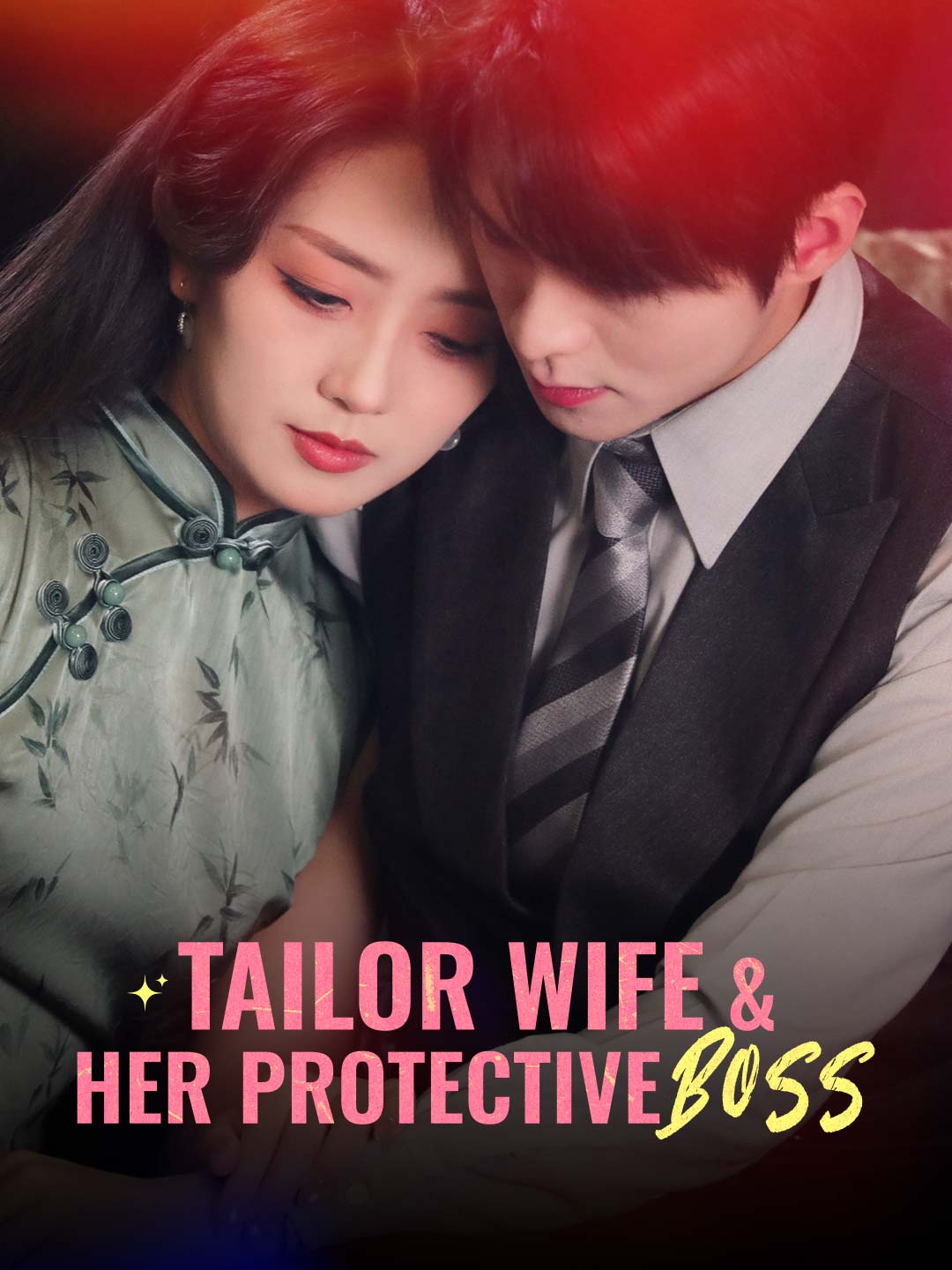
Tailor Wife & Her Protective Boss
Hey, everyone! How's it going? Today I'm here to review the drama Tailor Wife & Her Protective Boss (available on ReelShort), which presents a refreshingly unique blend of romance, comedy, and entrepreneurial ambition wrapped in a time-travel narrative framework. This series stands out in the crowded romance genre by combining the sweetness of a slow-burn love story with the excitement of business-building and the intrigue of a reincarnation premise that adds genuine stakes to every decision. What makes this drama particularly special is its willingness to balance comedic moments with genuine emotional depth, creating a viewing experience that appeals equally to those seeking light entertainment and those craving meaningful character development. The premise of a woman reincarnated into the past, forced into a contractual marriage that becomes something far more meaningful, immediately hooks viewers with its promise of both laughter and tears. The drama succeeds in delivering on that promise by grounding its fantastical elements in relatable human emotions and authentic business challenges, making it accessible to audiences regardless of their typical drama preferences.
Tailor Wife & Her Protective Boss arrives as a short-form series crafted specifically for the ReelShort platform, demonstrating how modern streaming services are revolutionizing storytelling formats and audience engagement. The series benefits from the episodic structure that allows for rapid plot development while maintaining character depth, a balancing act that many traditional dramas struggle with across longer seasons. Available on ReelShort, the series showcases impressive production values that belie its short-form format, with careful cinematography that captures both the glamour of the garment industry and the intimate moments between characters. The visual style employs warm color palettes during romantic sequences and sharper, more dynamic lighting during business scenes, creating visual language that reinforces the dual nature of the protagonist's journey. The production demonstrates innovative use of the platform's format, breaking traditional episode structures to create natural story beats that encourage binge-watching while respecting viewer attention spans. What makes the production particularly noteworthy is how it manages to deliver elaborate costume design, sophisticated set pieces depicting 1990s fashion houses, and complex business sequences without sacrificing the intimate character moments that form the emotional core of the narrative.
The series masterfully explores themes of second chances and redemption, examining what it means to have the opportunity to rewrite your destiny and whether love can overcome carefully calculated plans. The narrative delves deeply into the concept of hidden feelings and secret devotion, exploring how genuine emotion can coexist with contractual arrangements and how vulnerability becomes the bridge between obligation and authentic connection. Entrepreneurship and female empowerment form another crucial thematic pillar, as the protagonist's journey isn't merely about finding love but about building something meaningful in the business world while navigating family expectations and corporate rivalries. Finally, the series examines the complexity of family relationships, particularly examining how familial bonds can be both protective and destructive, and how trust must be earned rather than assumed. What truly sets Tailor Wife & Her Protective Boss apart is its refusal to make the romance the only meaningful element of the story—instead, the personal and professional journeys intertwine so completely that neither overshadows the other. The show succeeds in creating a narrative where falling in love and building a successful business are equally significant achievements, reflecting modern attitudes about female ambition and fulfillment.
A Marriage of Convenience Becomes Something Real
The story opens with Wendy's desperate situation as she finds herself reincarnated in 1995, possessing knowledge of a tragic future orchestrated by her manipulative cousin Rachel. Facing a fate she's determined to avoid, Wendy makes the bold decision to marry Charles Gould, the seemingly cold and emotionally distant heir to the prestigious Gould Garment Factory. This opening immediately establishes the central tension—Wendy enters the marriage as a strategic move, treating it as a contract to protect herself rather than as a romantic commitment. The 1990s setting provides the perfect backdrop for exploring both fashion industry ambitions and the social expectations of that era, where marriages were still sometimes treated as business arrangements. The chemistry between Wendy and Charles is deliberately awkward at first, with Charles maintaining emotional distance while Wendy remains focused on her protective strategy. What makes this opening particularly compelling is that viewers understand Wendy's desperation without judgment, sympathizing with her willingness to enter an unconventional arrangement when faced with such genuine danger.
As the narrative unfolds, the contractual nature of the marriage becomes increasingly strained by genuine emotion, creating the central emotional conflict that drives the series forward. Charles gradually reveals his long-standing, carefully hidden love for Wendy, adding layers of complexity to every interaction between them. The series excels at mining comedy from the awkward moments of two people learning to cohabitate while harboring secrets and unspoken feelings, with scenes of domestic adjustment punctuated by moments of surprising tenderness. Wendy's ambition to launch her own clothing line becomes the catalyst for real partnership, as Charles quietly supports her ventures while she slowly begins to recognize his genuine care. What keeps viewers hooked is the delicate balance between the mounting evidence that Charles truly loves her and Wendy's gradual emotional awakening—each episode peels back another layer of their relationship, revealing both the humor in their situation and the genuine stakes of their connection. The introduction of family conflicts and corporate rivalries adds external pressure that forces the couple to either unite or fracture, making their emotional journey inseparable from their professional success.
Wendy: The Ambitious Woman Finding Her Way
The protagonist Wendy emerges as a character of remarkable complexity, portrayed as a woman who enters her marriage with calculated pragmatism but discovers that genuine human connection cannot be scheduled or controlled. From her first appearance, Wendy immediately establishes herself as intelligent and resourceful—her decision to marry Charles isn't born from desperation alone but from careful analysis of the situation and strategic thinking. Her character journey showcases the transformation from someone viewing marriage as a protective mechanism to someone who begins to recognize that the man beside her has been quietly offering something far more valuable than safety. What makes Wendy particularly relatable is her ambition in the business world; she doesn't settle for being the wife of a factory heir but instead pursues her own vision in fashion design. This entrepreneurial spirit gives her character agency and purpose beyond the romantic plot, making her growth feel earned rather than imposed. Her relationship with Charles reveals fascinating dynamics as she gradually realizes that his emotional distance masks deep caring, and viewers watch as she learns to trust not just his intentions but also her own feelings.
What elevates Wendy beyond typical romantic heroines is her internal conflict between self-protection and openness—she's someone who has lived through tragedy and learned harsh lessons about trusting others, yet she's forced to build a life with someone who asks for her vulnerability. Her professional struggles in establishing her clothing line mirror her personal journey, as both require her to take risks and expose herself to potential failure. The character represents the modern woman trying to balance personal ambition with relationship building, refusing to sacrifice one for the other. Viewers find themselves deeply invested in her success both professionally and romantically, rooting for her not because she's a damsel in distress but because she's actively shaping her own destiny. The performance captures her growth with subtle shifts in mannerism and expression, showing how her walls gradually lower and her capacity for joy expands as she allows herself to believe in the possibility of happiness.
Charles Gould: The Devoted Man Behind the Mask
Charles Gould presents himself to the world as an aloof, emotionally unavailable heir more interested in factory operations than in personal relationships, a carefully constructed facade that masks years of hidden devotion to Wendy. His character introduces fascinating complications to the narrative because viewers gradually realize that his emotional distance isn't cruelty or indifference but rather a protective mechanism born from unrequited love and the belief that Wendy could never return his feelings. From the earliest scenes, subtle details reveal his true nature—the way his eyes linger on her when she's not looking, how he subtly orchestrates situations to support her ambitions, the careful distance he maintains to avoid overwhelming her with feelings she hasn't consented to receive. Charles's journey involves learning that vulnerability isn't weakness and that genuine love sometimes requires speaking the truth rather than silently supporting from the shadows. His character arc is particularly satisfying because it doesn't require him to change fundamentally but rather to allow his authentic self to emerge from behind the protective walls he's constructed.
What makes Charles compelling is that his love for Wendy isn't possessive or controlling despite his years of secret devotion—instead, he genuinely wants her happiness, even if that happiness initially doesn't include romantic feelings toward him. The series explores how his quiet support of her business ventures stems from genuine belief in her capabilities rather than a desire to control her or make her indebted to him. His family dynamics add another layer, as his position as heir to the Gould empire creates expectations and pressures that complicate his personal choices. The character represents a particular kind of masculinity—one that values quiet strength, genuine support, and emotional honesty over traditional displays of dominance or emotional unavailability. As the series progresses and Charles becomes more open about his feelings, viewers witness the profound relief in his performance, as if he's finally allowed to be his authentic self. His relationship with Wendy transforms from one-sided devotion to genuine partnership, creating one of the drama's most satisfying emotional arcs.
Love, Strategy, and the Blurred Lines Between Them
One of the series' greatest strengths lies in its exploration of how authentic emotion emerges from calculated arrangements, examining the question of whether love can grow in soil that wasn't originally intended for romance. The narrative presents scenarios where Wendy's strategic thinking about the marriage constantly clashes with the genuine feelings developing between her and Charles, creating moments of both comedic tension and profound emotional significance. The writers understand that contracts and emotions operate by completely different rules, and this fundamental incompatibility generates the series' most compelling moments. This manifests in scenes where Charles must decide whether to reveal his true feelings and risk the stability of their arrangement, or continue his silent devotion while Wendy slowly discovers the truth through his actions. The series uses these moments to explore how people communicate love through actions when words feel too dangerous, and how recognition of that love can sneak up on someone gradually rather than striking like lightning.
These moments resonate because they're grounded in emotional truth rather than melodramatic exaggeration—viewers understand both Wendy's fear of being trapped in a marriage with someone who might demand emotional reciprocation before she's ready, and Charles's fear that speaking his truth will destroy the fragile connection they're building. The series uses music and cinematography to enhance these emotional moments, with intimate scenes often featuring soft lighting and careful framing that emphasizes the characters' vulnerability. Pacing becomes crucial during these sequences, with the drama allowing conversations to breathe rather than rushing toward resolution, respecting the complexity of what these characters are experiencing. Viewers find themselves emotionally invested in whether these two people will find their way to genuine partnership, not because the outcome is predetermined but because the series has earned their investment through careful character work and authentic emotional exploration. This approach elevates the series from typical romantic fare into something more thoughtful and psychologically nuanced.
Success on ReelShort
Tailor Wife & Her Protective Boss has found its perfect home on ReelShort, where the platform's audience hungers for the specific combination of romance, comedy, and character-driven storytelling that this series delivers with expertise. The short-form format allows the narrative to maintain brisk pacing that prevents romantic storylines from becoming repetitive while still providing sufficient screen time for genuine emotional development. The series has garnered significant viewer engagement on the platform, with audiences particularly drawn to its blend of business ambition and romantic development—a combination that resonates with modern viewers seeking stories that reflect contemporary attitudes about female empowerment and meaningful relationships.
What distinguishes it in ReelShort's extensive catalog is its refusal to treat the romance as the sole plot driver; instead, the professional challenges and family dynamics carry equal narrative weight. The show particularly appeals to audiences seeking escapist entertainment that still contains emotional substance, and to viewers interested in fashion, business narratives, and stories exploring second chances. Its success demonstrates that audiences are hungry for stories where women's ambitions are taken seriously and where love develops alongside rather than instead of personal growth. The binge-worthy format encourages viewers to consume multiple episodes in succession, with each episode ending on notes that create genuine desire to continue watching rather than relying on artificial cliffhangers. If you love romance and comedy with meaningful character development, business narratives, and the satisfaction of watching two people gradually build genuine partnership from unlikely beginnings, Tailor Wife & Her Protective Boss is absolutely essential viewing on ReelShort.
A Second Chance at Everything
Tailor Wife & Her Protective Boss represents a significant achievement in short-form drama storytelling, proving that meaningful character development and complex emotional narratives don't require extended seasons or traditional formats. It's a series that demonstrates how authentic human connection, professional ambition, and genuine growth can coexist in a single narrative, refusing to ask viewers to choose between romance and meaningful story. The combination of compelling character arcs, intelligent exploration of themes regarding second chances and hidden feelings, and the satisfying spectacle of watching a business succeed and a marriage transform into genuine partnership creates an unforgettable viewing experience. For viewers seeking stories that honor both the heart and the mind, that celebrate female ambition while exploring the vulnerability required for genuine love, this drama delivers on every level. Don't miss this remarkable series that proves short-form storytelling can achieve the emotional depth and narrative complexity of traditional dramas while maintaining the binge-friendly pacing that modern audiences crave.