
Return Of The Reaper
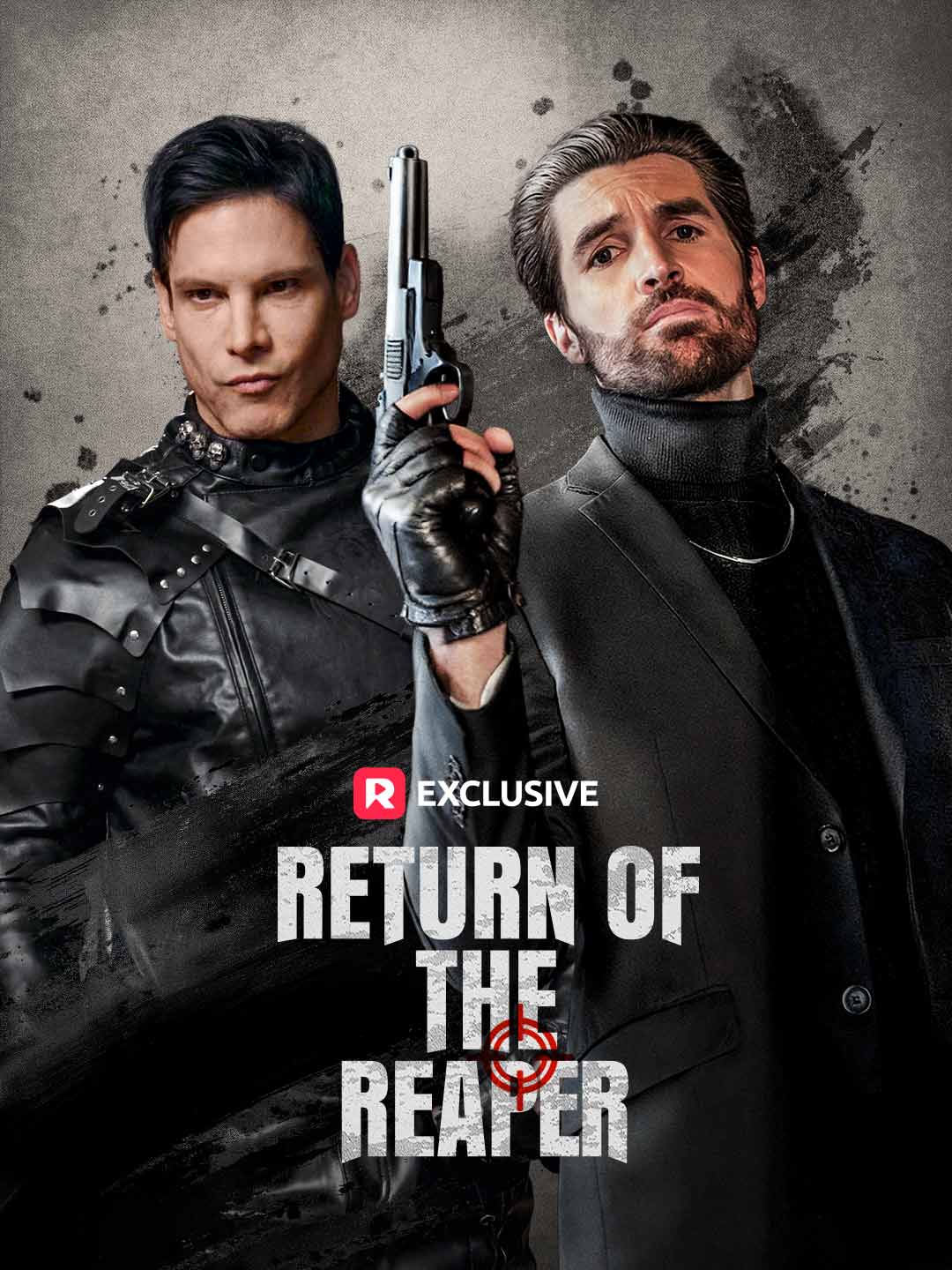
Return of the Reaper
Hey, everyone! How's it going? Today I'm here to review the drama Return of the Reaper (available on ReelShort), which arrived with a premise that instantly grabbed my attention and hasn't let go. This is a masterclass in blending multiple genres into a cohesive, gripping narrative that defies easy categorization. Return of the Reaper combines action-packed sequences, dark romance undertones, mafia intrigue, and psychological drama into something that feels both fresh and deeply satisfying. The story centers on Isaac Kane, a man caught between two identities: the devoted single father trying to honor his dying wife's final wish, and the legendary assassin known only as The Reaper whose very name strikes terror into the hearts of criminals worldwide. What makes this drama particularly special is its willingness to explore the moral complexities of violence, redemption, and the impossible choices we make for those we love. It's not simply another action thriller; it's a character-driven exploration of what happens when a man is forced to become the monster he tried so hard to bury. The series immediately appeals to viewers who crave intelligent storytelling wrapped in visceral action sequences, making it a standout offering in the crowded landscape of crime dramas.
Return of the Reaper is a short-form series designed specifically for the ReelShort platform, where it has garnered significant viewership and engagement. The production showcases impressive technical achievements, particularly in its choreography of action sequences and its atmospheric cinematography that transforms urban landscapes into shadowy playgrounds of danger and intrigue. The cast, led by compelling performances that bring authentic weight to their characters, demonstrates the kind of commitment to their roles that elevates the material beyond typical genre fare. What makes the production special is its understanding of pacing—how to build tension through quiet character moments before exploding into action sequences that feel earned rather than gratuitous. The visual style employs a color palette dominated by cool tones and shadows, creating an environment that feels perpetually on the edge of violence. The series benefits from creative direction that knows exactly when to linger on a character's face to capture an internal struggle and when to cut away to explosive action. The technical execution demonstrates that short-form content can achieve cinematic quality without compromising storytelling depth.
The series masterfully explores themes of redemption, sacrifice, and the duality of human nature that exists within all of us. At its heart, Return of the Reaper grapples with the question of whether a person can truly escape their past, or whether some identities, once claimed, become inescapable. The narrative weaves in profound meditation on fatherhood and what it means to protect those we love, even when protection requires us to become something we despise. Additionally, the drama examines the nature of violence itself—not glorifying it, but asking uncomfortable questions about when violence becomes justified, when it becomes necessary, and what toll it takes on the soul. What truly sets Return of the Reaper apart is its refusal to present easy answers. The show succeeds in creating moral ambiguity where viewers find themselves questioning their own judgments, rooting for a character who commits terrible acts in service of love, and wrestling with the uncomfortable reality that sometimes the good guy and the bad guy wear the same face. This philosophical depth, combined with visceral storytelling, creates an experience that lingers long after the credits roll.
A Father's Descent Into Darkness
The story opens with the deceptively quiet life of Isaac Kane, a man existing in the margins of society—struggling to make ends meet, working thankless jobs, and pouring every ounce of his being into raising his daughter alone. The opening episodes establish this world with careful attention to mundane details: the worn apartment, the secondhand clothes, the small moments of tenderness between father and daughter that reveal the depth of his love and commitment. The central conflict emerges with brutal suddenness when his daughter is kidnapped by members of a powerful Russian crime family, forcing Isaac into an impossible position. The kidnapping isn't a random act but a calculated move by criminals who've discovered his true identity and are weaponizing his greatest vulnerability. In this moment, the vow he made to his dying wife—to never kill again—becomes a noose around his neck, tightening with each passing second his daughter remains in danger.
As the narrative unfolds, Isaac is forced to confront the reality that the man he was and the man he's tried to become cannot coexist. The series excels at depicting his internal struggle through both dialogue and performance—the way he hesitates before his first kill, the way his hands shake, the way something fundamental shifts in his eyes as he chooses his daughter's life over his redemption. The plot develops with increasing intensity as Isaac systematically works his way through the criminal underworld, each kill bringing him closer to his daughter but further from the person he wanted to be. Subplots involving rival crime families, corrupt officials, and unexpected allies weave throughout the main narrative, creating a complex web of consequences and complications. What keeps viewers hooked is the fundamental tension between Isaac's love for his daughter and the knowledge that saving her may cost him his humanity, along with the constant mystery of who else knows his identity and what they want from him.
Isaac Kane: The Reaper Reborn
The protagonist of this drama carries the weight of two identities, and the performance captures this duality with remarkable nuance. Isaac Kane begins as a man trying desperately to be ordinary, to be invisible, to be good—yet the moment his daughter is threatened, we see the legendary killer emerge from beneath the surface like a predator sensing blood in the water. From his first appearance, Isaac seems almost pathetic in his ordinariness, which makes his transformation all the more striking. His journey from reluctant single father to ruthless assassin showcases the thin line between these identities and how quickly circumstance can strip away our carefully constructed personas. The performance captures subtle shifts—the way his posture changes, how his voice drops, the coldness that enters his eyes. What elevates Isaac beyond typical reluctant warrior archetypes is the genuine anguish that accompanies every kill. This isn't a man who finds pleasure in violence; this is a man who experiences each act as a small death of his own.
What makes Isaac's character particularly compelling is the contradiction at his core: he's simultaneously a loving father and a merciless killer, and the drama refuses to let us forget either aspect. His relationship with his daughter, shown through flashbacks and brief video calls, grounds the entire narrative in emotional reality. Every brutal act he commits is contextualized by his love for her, making viewers understand his choices even when they horrify us. The actor's portrayal ensures that audiences invest deeply in his struggle, rooting for him despite—or perhaps because of—his terrible choices. Isaac represents the ultimate exploration of how love can transform us into something we never wanted to become, and how sometimes becoming a monster is the only way to save what we love most.
The Criminal Underworld and Its Architects
The antagonists and supporting characters in Return of the Reaper are crafted with surprising depth, moving beyond simple villain archetypes. The crime families pursuing Isaac aren't faceless villains but complex organizations with their own hierarchies, politics, and motivations. The actors portraying these criminals bring charisma and intelligence to their roles, making them worthy opponents rather than mere obstacles. What's particularly effective is how the drama reveals layers to characters we initially dismiss, showing us that even those on the wrong side of the law have codes, loyalties, and moments of vulnerability. The chemistry between Isaac and various criminals creates an interesting dynamic—sometimes adversarial, sometimes oddly respectful, occasionally bordering on alliance when mutual enemies emerge. These supporting characters serve not just as obstacles but as mirrors reflecting different aspects of Isaac's own nature, showing us what he could become if he fully embraced the Reaper identity. Their performances ground the criminal world in authenticity, making the danger feel real and the stakes genuinely high.
The relationships Isaac develops throughout his journey—whether with allies, enemies, or those who blur the line between—add tremendous depth to the narrative. Some characters attempt to help him, others try to stop him, and some pursue their own agendas while using Isaac as a pawn. The drama excels at depicting how violence creates unexpected bonds and how shared danger can forge connections that transcend moral boundaries. These character dynamics prevent the story from becoming a simple revenge tale; instead, it becomes a complex exploration of how one man's actions ripple outward, affecting everyone in his orbit. The supporting cast's performances ensure that every interaction feels weighted with consequence and meaning, elevating the entire production.
The Price of Becoming the Monster
One of the series' greatest strengths lies in its unflinching examination of violence and its psychological cost. Rather than glorifying the action sequences, Return of the Reaper uses them to illustrate the toll that killing takes on Isaac's psyche. We see scenes where he stands alone after committing brutal acts, his hands shaking, his breathing ragged, his eyes haunted by what he's done. The directors understand that true horror isn't found in special effects but in the human cost of violence. This manifests in quiet moments after action sequences—Isaac staring at his reflection, unable to recognize himself; Isaac struggling to maintain his composure when speaking to his daughter, knowing that blood stains his hands even if she can't see it.
These moments resonate because they acknowledge the emotional and psychological reality of what violence does to those who commit it. The series uses cinematography and sound design to enhance this impact, with the harsh metallic sounds of violence often contrasted against softer, more intimate scenes of Isaac with his daughter. Viewers find themselves experiencing genuine discomfort watching a sympathetic character become increasingly brutal, which creates a powerful emotional journey. This approach elevates the series from typical action fare to something far more substantial and psychologically complex, forcing audiences to confront their own discomfort with violence and to question their willingness to forgive terrible acts committed for understandable reasons.
Success on ReelShort
Return of the Reaper has found its perfect home on ReelShort, where the short-form episodic structure allows for optimal pacing and binge-ability while maintaining narrative momentum. The series has accumulated millions of views, demonstrating significant audience appeal and strong word-of-mouth engagement. What distinguishes it in ReelShort's extensive catalog is its commitment to combining cinematic quality with the platform's strengths—episodes are perfectly sized for mobile viewing while maintaining dramatic impact. The show particularly appeals to viewers who appreciate intelligent action dramas with psychological depth, character-driven narratives, and moral complexity. Those who loved crime thrillers with compelling antiheroes, dark romance elements woven into action narratives, and stories about redemption and sacrifice will find tremendous value here. Its success demonstrates the appetite audiences have for sophisticated storytelling that doesn't require traditional television time commitments but also refuses to sacrifice quality for convenience.
A Legend Reborn, A Soul Destroyed
Return of the Reaper represents a significant achievement in short-form drama production, proving that the medium can deliver emotionally complex, visually stunning, and thematically rich storytelling. It's a series that explores the darkest corners of human nature while maintaining profound compassion for its flawed protagonist, demonstrating that redemption and damnation aren't always opposites but sometimes two sides of the same coin. For viewers seeking an intelligent action drama that challenges them emotionally while delivering visceral entertainment, this drama delivers on every level. The combination of compelling performances, sophisticated cinematography, intricate plotting, and genuine moral complexity creates an unforgettable viewing experience that will stay with you long after the final episode. Don't miss this remarkable exploration of sacrifice, identity, and the impossible choices we make for love.