
Poison In The Honey
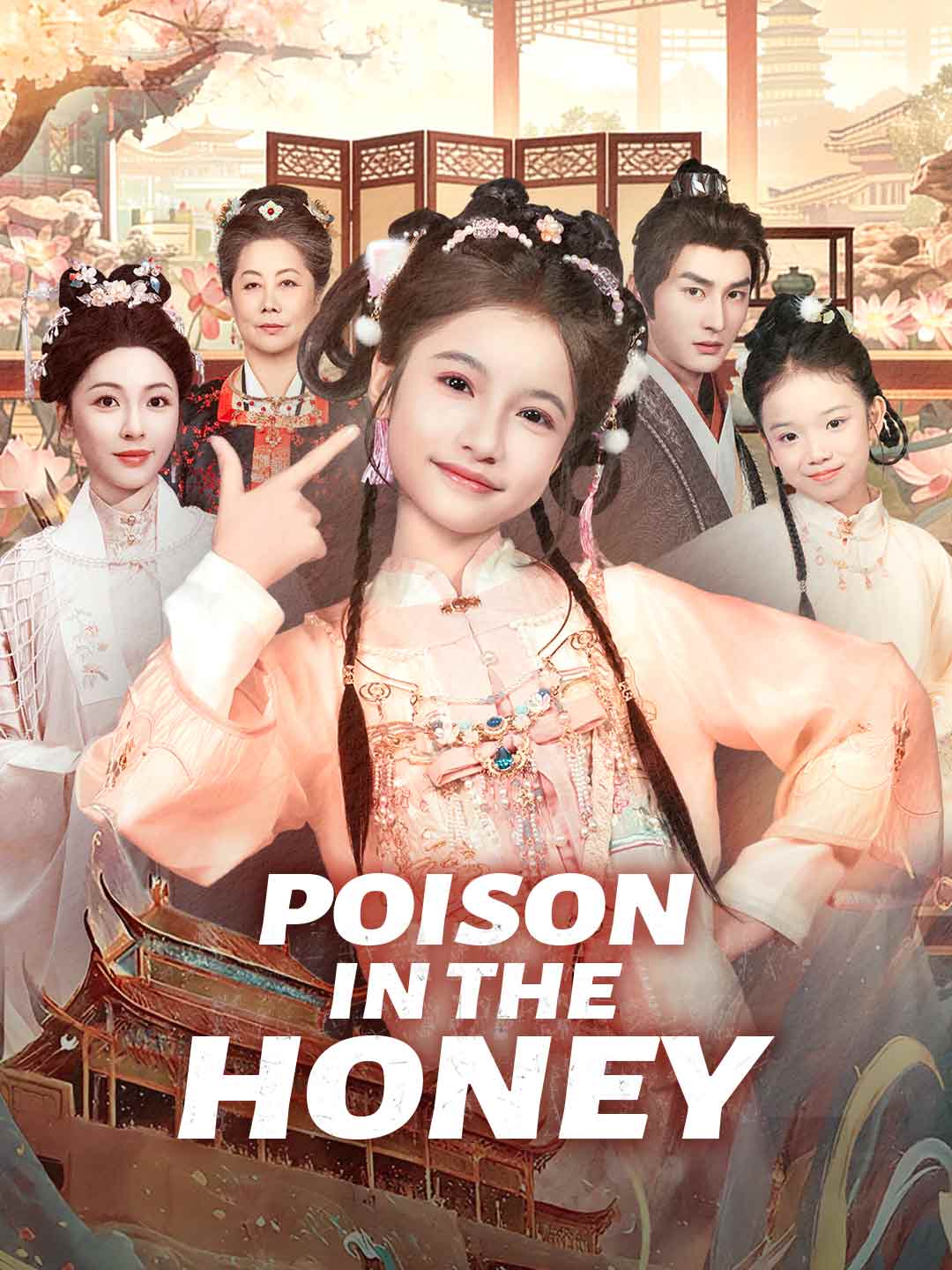
Poison in the Honey
Hello there, drama enthusiasts! Welcome back to another thrilling review. Today, I'm diving deep into Poison in the Honey, an absolutely captivating series that has taken the short-form drama world by storm. This is a masterclass in revenge narratives blended seamlessly with period drama aesthetics and intricate conspiracies. What makes this series genuinely special is its fresh take on the reincarnation-revenge archetype—instead of simply returning for vengeance, the protagonist returns with calculated intelligence and emotional sophistication. The premise hooks you immediately: a beloved daughter discovers her father's affection was merely a manipulative tool to elevate her half-sister, leading to devastating family ruin. When death grants her a second chance, she returns not as an angry ghost seeking destruction, but as a strategist dismantling the conspiracy from within. This blend of psychological warfare, family drama, and action sequences creates an intoxicating narrative that appeals to viewers craving both emotional depth and thrilling entertainment. The series distinguishes itself through its exploration of female agency, self-discovery, and the complexity of familial betrayal in ways that feel fresh and genuinely compelling.
Poison in the Honey arrives as a premium short-form production from Crazy Maple Studio, engineered specifically for the ReelShort platform where bite-sized episodes maximize engagement without sacrificing narrative complexity. The series demonstrates impressive production values with careful attention to visual storytelling, period-appropriate costuming, and atmospheric cinematography that transforms the Graham mansion into a character itself. What's particularly noteworthy is how the production team utilizes the short-form format not as a limitation but as an advantage, crafting episodes that end on perfectly calibrated emotional peaks that compel immediate viewing of the next installment. The pacing demonstrates sophisticated understanding of audience psychology—each episode reveals information strategically, maintaining momentum while deepening mystery. The technical execution showcases professional-grade cinematography with thoughtful use of lighting to reflect emotional states, from the cold, calculating illumination during scheming scenes to warmer, more vulnerable moments of introspection. The sound design and musical score enhance emotional beats without overwhelming dialogue, creating an immersive viewing experience that justifies the platform's growing reputation for quality content.
The series masterfully explores interconnected themes of identity, vengeance, and redemption, weaving them throughout the narrative with remarkable sophistication. At its core, Poison in the Honey examines how betrayal fundamentally transforms identity—the protagonist isn't simply seeking revenge but actively reconstructing herself into someone unrecognizable to those who wronged her. The title itself operates as profound metaphor: poison hidden within sweetness, deception masquerading as love, and the way trust becomes a weapon in the hands of the unscrupulous. What truly sets Poison in the Honey apart is its refusal to simplify its moral landscape; the series presents a world where everyone operates from self-interest, yet acknowledges the genuine human cost of such existence. The show succeeds brilliantly in creating a narrative where the protagonist's intelligence and agency feel earned rather than convenient, where her scheming carries emotional weight because we understand the wounds driving her forward. The series balances action sequences with quieter moments of character development, ensuring that thrilling plot developments never overshadow emotional truth. This thematic complexity elevates the work beyond typical revenge drama into something approaching genuine psychological exploration.
The Cruel Architecture of Betrayal
The story opens with an intoxicating portrait of privilege and deception within the Graham household, where the protagonist Nora exists as the cherished daughter of a powerful patriarch whose affection seems boundless and unconditional. The opening episodes establish a world of opulence—crystal chandeliers casting prismatic light across marble floors, elaborate gardens concealing darker secrets, and drawing rooms where casual cruelty masquerades as family business. We meet Nora as an intelligent, spirited young woman whose confidence stems from believing herself beloved, protected by paternal devotion that she assumes is unshakeable. The central conflict emerges with devastating clarity when Nora discovers her father's affection was orchestrated manipulation—every compliment a calculated investment in her marketability, every moment of tenderness a transaction designed to elevate her half-sister's position within society and business. This revelation doesn't simply wound Nora; it shatters her fundamental understanding of reality and her place within it. The betrayal compounds when her father's schemes lead to catastrophic family ruin, financial collapse, and social disgrace that destroys everything she believed herself connected to.
As the narrative unfolds, Nora's death—whether literal or metaphorical—becomes her liberation rather than her ending. Reborn with hardened resolve and crystallized purpose, she returns to the glittering world of the Graham mansion no longer as the naive heiress but as something far more dangerous: a woman with nothing to lose and everything to gain through calculated intelligence. The series excels at depicting her careful navigation of this treacherous environment, where every word must be measured, every gesture must convey false compliance while her mind orchestrates elaborate schemes. Subplots interweave naturally—alliances form and shatter, secrets accumulate like weight, and the tension builds through revelation rather than action alone. What keeps viewers perpetually hooked is the intricate dance between Nora's public performance of dutiful daughter and her private machinations dismantling the conspiracy from within. The series refuses to offer simple victories; each small triumph carries unexpected costs, each revelation complicates rather than clarifies, and the emotional stakes consistently escalate as Nora discovers truths about herself alongside truths about her family.
Nora Graham: The Architect of Her Own Resurrection
The protagonist Nora Graham emerges as a masterfully constructed character whose journey from naive heiress to strategic operative forms the emotional and narrative spine of the entire series. In her first appearance, Nora radiates confidence born from unquestioned privilege—she moves through the Graham mansion with the ease of someone who has never contemplated the possibility of her world crumbling. Her performance captures the specific vulnerability of someone whose identity was entirely constructed around external validation, whose sense of self was always contingent on others' perception rather than internal conviction. The actress brings remarkable nuance to this characterization, communicating volumes through subtle shifts in posture and expression—the slight stiffening when her father's attention wavers, the quick recovery when she catches herself revealing authentic emotion. As Nora transforms from innocent to strategist, the performance evolves to reflect this metamorphosis, becoming more controlled, more calculated, yet never losing the capacity to make viewers understand the wounded woman beneath the facade. Her journey showcases extraordinary range, moving seamlessly between scenes where she must appear broken and compliant and scenes where she orchestrates elaborate deceptions with chilling precision.
What elevates Nora beyond the typical revenge protagonist is the series' commitment to exploring her psychological complexity and the genuine cost of her transformation. She doesn't become a villain or an avenging angel; instead, she becomes something more interesting—a woman forced to construct an entirely new identity while managing the trauma of devastating betrayal. The actress captures the exhaustion beneath her calculated performances, the moments when the mask threatens to slip, and the genuine connections she forms despite her determination to trust no one. Her relationships with other characters reveal fascinating dimensions of her character: the complicated tenderness she occasionally shows her half-sister despite everything, the strategic friendship she cultivates with unlikely allies, the way she must constantly monitor her own emotional responses to prevent them from sabotaging her plans. The performance ensures viewers develop genuine investment in Nora's success not simply because we want her to win, but because we understand the complexity of what winning actually means for someone so fundamentally transformed by trauma.
The Half-Sister: Complexity Beneath Privilege
The half-sister character functions as far more than a simple antagonist, emerging instead as a tragic figure whose privilege blinds her to her own complicity in the family's darker machinations. Initially presented as the favored daughter, the half-sister appears confident and secure in her position, unaware of the mechanisms that elevated her or the vulnerability such elevation creates. The actress portraying this character brings surprising depth to what could have been a one-dimensional role, communicating the genuine affection she feels toward her father despite his manipulation, the insecurity lurking beneath her polished exterior, and the gradual realization that her advantages were built on deception. Her scenes with Nora crackle with tension precisely because the audience understands that neither woman fully comprehends the other's perspective—the half-sister cannot imagine that her beloved father would weaponize his affection, while Nora understands this truth with devastating clarity. This dramatic irony creates scenes of extraordinary emotional complexity where viewers simultaneously sympathize with the half-sister's confusion and appreciate Nora's strategic manipulation of it.
The half-sister's arc becomes increasingly tragic as the series progresses, revealing a woman caught between competing loyalties and gradually discovering that her position of privilege offers no actual protection or security. The performance captures the moment-by-moment dissolution of her confidence, the way each revelation destabilizes her understanding of family and love, and the growing awareness that she may have been complicit in her own sister's destruction. Her relationship with Nora evolves from straightforward rivalry into something far more complex—moments of genuine connection interrupted by fundamental betrayals, instances where she almost understands Nora's perspective before reverting to her father's narratives. The actress ensures viewers feel the half-sister's suffering even as they recognize the justice in her consequences, creating a character whose presence complicates the moral landscape and prevents the narrative from collapsing into simple good-versus-evil dynamics. Her scenes carry genuine emotional weight because the series has invested in making her a fully realized person rather than merely an obstacle.
The Architecture of Revenge and Its Consequences
One of the series' greatest strengths lies in its sophisticated portrayal of how revenge actually functions psychologically and practically, moving beyond fantasy vengeance into the messy reality of dismantling systems from within. The series depicts specific moments where Nora must calculate risks, where her plans produce unexpected consequences, where she discovers that controlling outcomes proves far more complicated than imagining them. The writers understand that genuine strategic warfare requires patience, emotional discipline, and the willingness to sacrifice immediate satisfaction for long-term objectives. This manifests in scenes where Nora must watch injustices unfold without responding, where she must perform gratitude toward people she despises, where she must endure humiliation as part of her larger strategy. These moments resonate precisely because they reject the fantasy that revenge provides cathartic satisfaction; instead, they explore the psychological toll of sustained deception and the way revenge slowly poisons the avenger as thoroughly as it damages the target.
These moments resonate because they acknowledge emotional truth that most revenge narratives sidestep—that living through deception exhausts the deceiver, that maintaining false personas fragments identity, that success achieved through manipulation carries hollow satisfaction. The series uses subtle cinematography, strategic silence, and carefully placed music to enhance these emotional beats, often choosing restraint over melodrama. Viewers find themselves experiencing Nora's exhaustion, her moments of doubt, her recognition that destroying her family will also destroy something within herself. This approach elevates the series from typical genre fare into psychological exploration, transforming it from simple wish-fulfillment into genuine meditation on the costs of survival through deception. The series trusts its audience to find profound satisfaction in watching someone navigate impossible circumstances with intelligence rather than simply watching enemies receive punishment.
Success on ReelShort
Poison in the Honey has found its perfect home on ReelShort, where the platform's audience actively seeks sophisticated short-form dramas that prioritize narrative complexity and character development. The series has garnered impressive viewership numbers and sustained engagement, demonstrating that audiences hunger for quality content that respects their intelligence while delivering entertainment value. What distinguishes it in ReelShort's extensive catalog is the production quality that rivals full-length series, the storytelling sophistication that justifies the platform's growing reputation, and the representation of female agency and strategic intelligence that resonates with contemporary audiences. The episode format works brilliantly here—each installment ends on emotional or narrative peaks that compel immediate progression, yet the episodes remain substantial enough to provide genuine advancement rather than artificial cliffhangers. The show particularly appeals to viewers who appreciate psychological warfare narratives, complex female protagonists, period drama aesthetics, and stories that blend action with emotional introspection. Its success demonstrates contemporary audiences' appetite for nuanced revenge narratives that complicate rather than simplify moral landscapes, proving that short-form platforms can deliver sophisticated storytelling.
The Sweetness That Conceals the Poison
Poison in the Honey represents a significant achievement in contemporary short-form drama, demonstrating that serialized storytelling can achieve genuine emotional and narrative complexity within compressed formats. It's a series that will linger with viewers long after completion, that rewards multiple viewings with discovered layers, and that proves short-form drama deserves recognition as a legitimate artistic medium rather than mere entertainment filler. The combination of sophisticated storytelling, complex characterization, stunning visual execution, and remarkable performances creates an unforgettable viewing experience that transcends platform and format. For viewers seeking psychological depth alongside thrilling entertainment, emotional resonance alongside strategic intrigue, and nuanced exploration of betrayal alongside compelling action sequences, this drama delivers on every level. Poison in the Honey doesn't simply tell a story about revenge—it explores the fundamental question of who we become when our foundational beliefs shatter, and whether survival achieved through deception represents victory or another form of defeat.