
I Flash-Married My Best Friend?!
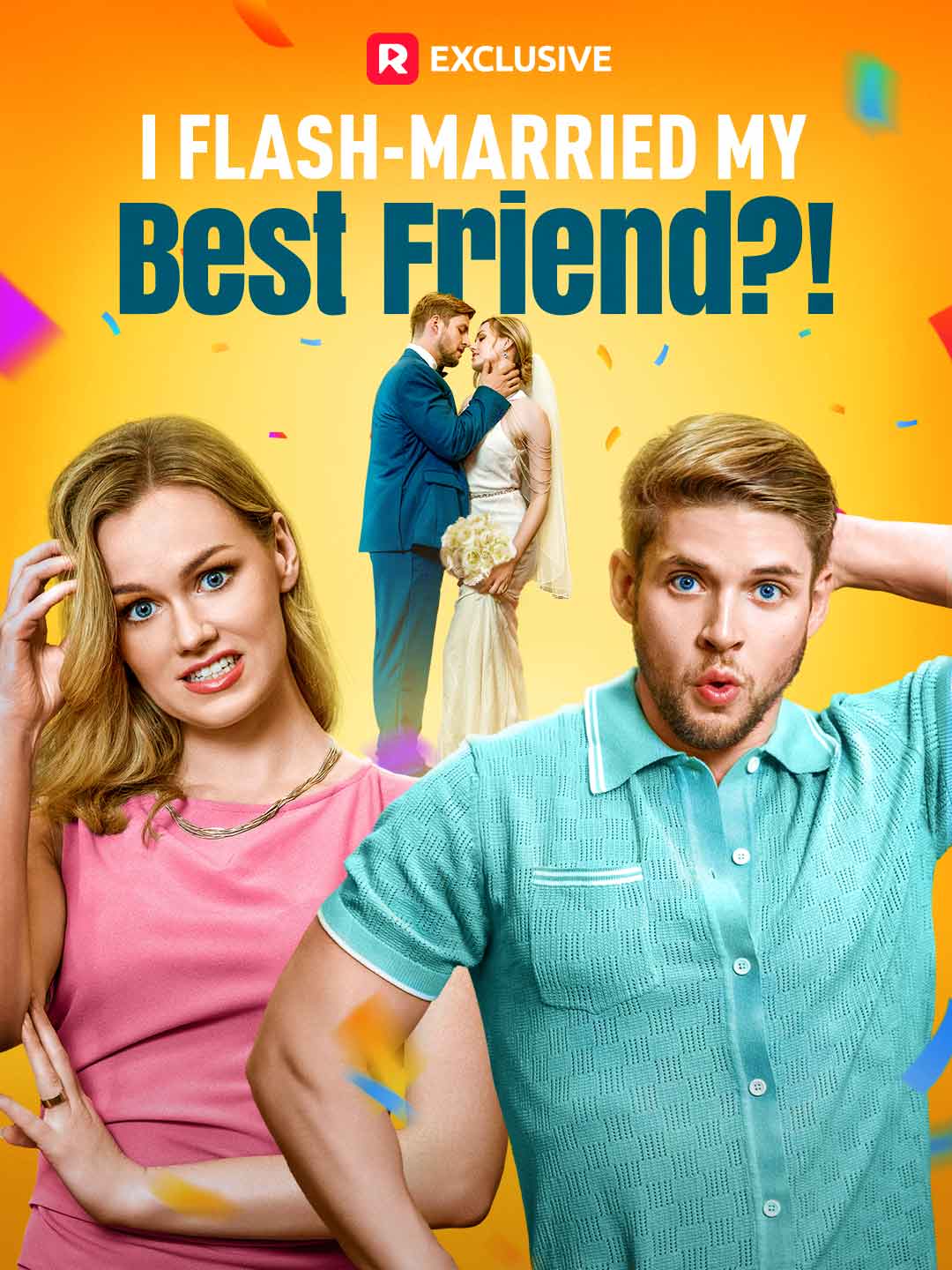
I Flash-Married My Best Friend?!
Hey, everyone! How's it going? Today I'm here to review the drama I Flash-Married My Best Friend?! (available on ReelShort), which arrived with a premise that feels both refreshingly modern and timelessly romantic. This short-form series captures the essence of contemporary romance while delivering the kind of emotional punch that keeps viewers coming back for just one more episode. The story centers on two best friends whose accidental night together spirals into an unexpected marriage, blending comedy, romance, and the delicious tension of hidden identities and secret feelings. What sets this drama apart from countless other romance offerings is its willingness to dive headfirst into the friends-to-lovers trope while simultaneously layering in billionaire CEO dynamics, pregnancy mysteries, and hidden identities that complicate every interaction. The show understands that modern romance isn't just about grand gestures—it's about vulnerability, miscommunication, and the terrifying realization that your best friend might be your soulmate all along.
I Flash-Married My Best Friend?! arrives as a short-form series optimized for ReelShort's innovative platform format, designed for contemporary audiences who prefer episodic storytelling that respects their time while maintaining narrative momentum. Produced by Crazy Maple Studio Inc., the series benefits from production values that punch well above what many assume short-form content can achieve, with careful cinematography that captures intimate moments between characters while also delivering the visual polish expected from romantic drama. The cast, led by Aislinn Evans and Luke Charles Stafford as our central couple, brings authentic chemistry and nuanced performances that elevate the material beyond simple rom-com territory. The technical execution demonstrates a sophisticated understanding of pacing—knowing exactly when to linger on a meaningful glance and when to cut away for comedic timing. The series employs contemporary visual storytelling techniques, utilizing modern settings (apartments, offices, banquets) to create a world that feels accessible and relatable to its audience, while the cinematography captures both the awkwardness and beauty of romance with equal skill.
The series masterfully explores the profound theme of identity and self-discovery, examining how we present ourselves to different people and what happens when those masks slip away. Running parallel to this is the exploration of vulnerability in friendship—the terrifying vulnerability of admitting that platonic bonds might have always contained romantic potential. The drama also engages deeply with the theme of social class and expectation, particularly through Mateo's secret billionaire status, which becomes a lens through which to examine authenticity and whether love can survive the revelation of such fundamental deceptions. Additionally, the series explores consequence and responsibility, as both characters must navigate the reality of their impulsive marriage and what it means for their futures, their careers, and their understanding of commitment. What truly sets I Flash-Married My Best Friend?! apart is its commitment to treating the flash marriage not as a plot device to be quickly resolved, but as a catalyst for genuine exploration of intimacy, trust, and the ways we protect ourselves through lies. The show succeeds in making viewers feel the weight of each character's choices while maintaining the lightness and humor necessary for the romance genre to function.
When Your Best Friend Becomes Your Husband (200-250 words)
The story opens with Chloe and Mateo in their comfortable best-friend dynamic, a relationship built on years of inside jokes, shared experiences, and the kind of casual intimacy that comes from truly knowing someone. Chloe emerges as a strong-willed woman navigating professional ambitions and personal desires, while Mateo exists as her reliable constant—the person she can call at three in the morning, the shoulder she leans on without hesitation. The inciting incident arrives when one fateful night strips away the careful boundaries they've maintained, leading to consequences neither anticipated. What makes this opening compelling is the series' refusal to play the night as a simple plot convenience; instead, it's treated as a genuine turning point that forces both characters to confront feelings they've likely been suppressing. The world they inhabit feels contemporary and grounded, filled with the small anxieties and large dreams of people in their twenties and thirties navigating modern romance and career pressures.
As the narrative unfolds, the flash marriage becomes the lens through which everything else refracts. The series excels at building tension through the gap between what characters know and what they don't—Chloe doesn't know Mateo's wealth, Mateo struggles with how to reveal his true identity without losing her, and both dance around the question of whether their night together meant something deeper. Subplots involving pregnancy mysteries and hidden identities weave seamlessly into the central romance, each revelation forcing characters to reconsider their assumptions about one another. What keeps viewers hooked is the genuine chemistry between the leads and the series' willingness to let characters sit with uncomfortable emotions rather than rushing toward resolution. The pacing builds naturally from comedy and confusion toward emotional depth and genuine stakes.
Chloe: The Strong-Willed Woman Finding Her Way (150-200 words)
Aislinn Evans brings remarkable depth to Chloe, creating a protagonist who feels authentically complex—a woman who projects confidence while harboring doubts about her choices and her worth. From her first appearance, Chloe establishes herself as someone accustomed to handling things independently, someone who's built walls around her heart through years of disappointment and self-protection. Her journey from a woman who views marriage as an inconvenient accident to someone who begins questioning whether accident and destiny might be different sides of the same coin showcases genuine character growth. Evans' performance captures the specific vulnerability of someone discovering that the person they trusted most might have been hiding the biggest secret of all. Her facial expressions convey entire conversations—the way her eyes narrow when suspicion dawns, the softness that appears when she lets her guard down around Mateo.
What elevates Chloe beyond typical strong female protagonist territory is her capacity for self-doubt and her struggle to reconcile her independence with her growing feelings. Her relationship with Mateo reveals how love can exist within friendship, how chemistry can have been present all along without either party recognizing it. Evans' portrayal ensures viewers root for Chloe not because she's flawless, but because she's genuine—her mistakes feel earned, her victories feel deserved, and her emotional journey feels inevitable once you understand her core wounds and desires.
Mateo: The Billionaire with an Honest Heart (150-200 words)
Luke Charles Stafford embodies Mateo with a performance that avoids the typical billionaire CEO clichés, instead crafting a man whose wealth feels almost incidental to his character rather than central to it. Mateo's defining characteristic isn't his money—it's his love for Chloe, a feeling so profound it's driven every major decision in his life. Stafford conveys the specific torture of someone harboring a secret that could destroy everything, someone watching the person they love while unable to be fully honest about who they are. His introduction establishes him as reliable and steady, the kind of person you'd trust with anything, which makes his deception more poignant because it stems not from malice but from fear—fear of losing her, fear of changing their dynamic, fear that revealing his true self will shatter the fragile connection they've built.
The performance shines in quiet moments where Mateo's internal conflict becomes visible—the hesitation before speaking, the way he watches Chloe's reactions when discussing money or success. Stafford understands that Mateo's secret isn't just about wealth; it's about identity and whether someone can love you when they don't know who you really are. His chemistry with Evans crackles with the tension of people who know each other intimately while simultaneously being complete strangers. The character represents the danger of loving someone through a lens of incomplete truth, and Stafford's nuanced performance makes viewers understand both why Mateo lies and why those lies matter.
The Weight of Secrets and the Power of Honesty (150-180 words)
One of the series' greatest strengths lies in its handling of the revelation moments—those scenes where secrets come crashing down and characters must reckon with the consequences of their deceptions. The drama understands that in romance, the biggest explosions aren't always physical; they're emotional, occurring in quiet moments when trust shatters and certainty evaporates. The creators recognize that what makes romance devastating isn't the absence of love but the presence of betrayal, the realization that someone you trusted fundamentally misrepresented themselves. This manifests in scenes where Chloe processes the discovery of Mateo's wealth, where she must untangle whether his love is authentic or whether it's been colored by his privilege all along.
These moments resonate because they tap into genuine human fears—the terror of being deceived by someone close to us, the vulnerability of loving someone who holds power over us. The series uses music and carefully composed cinematography to enhance these emotional beats, lingering on expressions and allowing silence to speak volumes. Viewers find themselves in Chloe's position, questioning what they would do, whether they could forgive, whether love survives such fundamental deceptions. This approach elevates the series from typical rom-com fare to something that actually grapples with the messy reality of modern relationships.
Success on ReelShort's Platform
I Flash-Married My Best Friend?! has found its perfect home on ReelShort, where the short-form format allows for rapid-fire emotional beats and cliffhangers that keep audiences engaged across multiple sittings. The series has clearly resonated with viewers seeking contemporary romance that respects their intelligence while delivering genuine entertainment value. What distinguishes it in ReelShort's extensive catalog is its commitment to character development and emotional authenticity—it doesn't rely solely on plot twists but builds genuine investment in these characters' happiness and growth.
The episodic structure proves ideal for the material, allowing viewers to consume chapters of the story in brief sittings while maintaining momentum that encourages binge-watching. The show particularly appeals to romance enthusiasts who appreciate friends-to-lovers narratives, secret identity reveals, and the specific tension of people who know each other physically but not emotionally. Its success demonstrates what contemporary audiences crave: stories that blend humor with genuine emotion, that treat romance as something worth exploring seriously while maintaining the lightness necessary for entertainment. If you love romance with hidden identities, emotional depth, chemistry-driven storytelling, and characters who feel genuinely real, I Flash-Married My Best Friend?! is absolutely essential viewing.
A Romance That Rewrites the Rules of Friendship
I Flash-Married My Best Friend?! represents a significant achievement in short-form romance storytelling, proving that meaningful character development and emotional complexity don't require lengthy seasons to flourish. It's a series that will stay with viewers long after the final episode, making them question their own relationships and wonder whether their closest friends might harbor deeper feelings. The combination of authentic chemistry, nuanced performances, surprising emotional depth, and genuine stakes creates an unforgettable viewing experience that transcends typical romance territory. For viewers seeking a story that entertains while exploring real human connection, that makes them laugh while breaking their hearts, this drama delivers on every level. Don't miss this captivating exploration of how love sometimes finds us in the most unexpected places—even in the person who's been by our side all along.